Your roof could be quietly falling apart right now, and you’d never know it just by glancing up from the driveway.
That’s the tricky part about roof damage. It rarely announces itself with a dramatic collapse. Instead, it creeps in slowly — a loose shingle here, a bit of trapped moisture there — until one day you’re facing a five-figure repair bill or, worse, water pouring through your ceiling.
Here’s the good news: your roof usually gives off warning signals long before it truly fails. You just need to know where to look, both outside and inside your home. In this guide, we’ll walk through the seven most reliable signs your roof is failing, even when everything looks perfectly normal from the curb.
Why Roof Problems Are Easy to Miss
Most homeowners only think about their roof when something goes wrong — a leak, a storm, a sagging ceiling tile. But roofing systems are designed to hide their flaws well. Shingles can look intact while the underlayment beneath them is rotting away. Flashing can appear sealed while it’s actually letting water seep in millimeter by millimeter.
That’s exactly why relying on a “looks fine to me” assessment is risky. A failing roof and a healthy roof can look nearly identical from 20 feet below. The real signs are often smaller, subtler, and found in places most people never think to check.
1. Granules Piling Up in Your Gutters
Asphalt shingles are coated with tiny mineral granules that protect them from UV rays and give them their color. When shingles age or wear out, those granules start to shed.
What to look for:
- Sand-like debris collecting in gutters or at downspout exits
- Bald, shiny, or discolored patches on the shingle surface
- Increased granule buildup after storms
A small amount of granule loss is normal, especially on a newer roof. But heavy, consistent shedding is a strong sign your shingles are nearing the end of their lifespan, even if the roof still looks uniform from the ground.
2. Daylight or Water Stains in the Attic
Your attic tells the truth even when your roof’s exterior doesn’t. This is one of the fastest ways to catch a failing roof early.
Signs to check for during an attic inspection:
- Pinpricks of daylight coming through the roof boards
- Dark streaks, water stains, or discoloration on the underside of the decking
- Damp insulation or a musty smell
- Visible mold or mildew spots
If you can grab a flashlight and spend five minutes in your attic once or twice a year, you’ll catch problems months (sometimes years) before they show up as a ceiling stain in your living room.
3. Shingles That Are Curling, Cupping, or Buckling
Healthy shingles lie flat against the roof deck. When a roof starts failing, shingles often lose their shape.
Common shingle deformities include:
- Cupping – edges curl upward, exposing more of the shingle to sun and rain
- Clawing – edges curl down while the middle stays raised
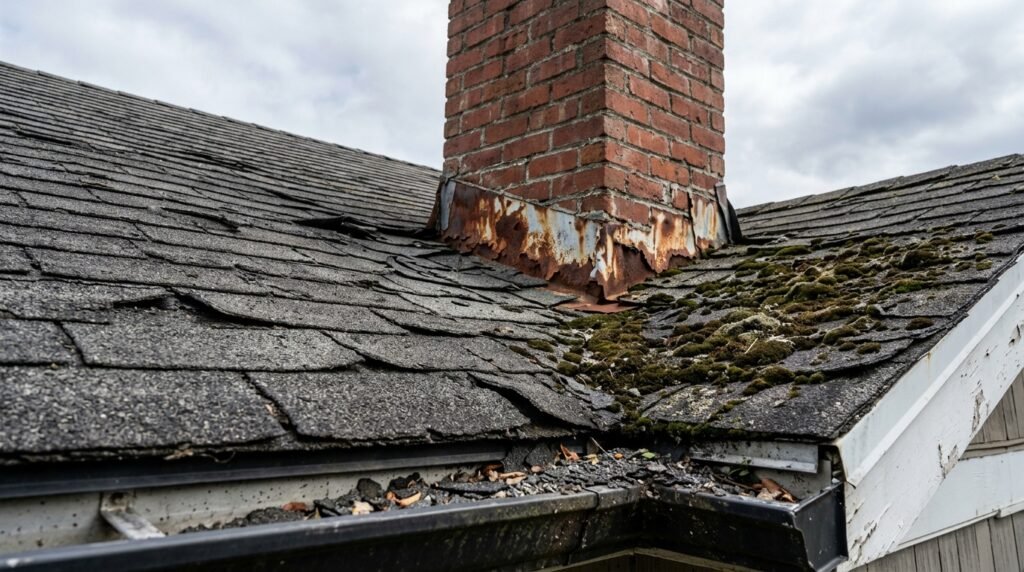
- Buckling – wavy, rippled distortions, often caused by poor ventilation or moisture trapped underneath
These issues are usually visible with binoculars from the ground or a quick look with a ladder. They’re a clear signal that the shingles have lost their flexibility and protective seal, even if the roof’s overall silhouette still looks tidy from the street.
4. Rising Energy Bills With No Clear Explanation
This is the sign most homeowners completely overlook, yet it’s one of the earliest indicators of roof failure.
A compromised roof often means compromised insulation and ventilation. Air escapes through gaps in the roofline, and your HVAC system has to work harder to compensate. If your heating or cooling costs have crept up over the last year without an obvious reason, your roof deserves a closer look.
Ask yourself:
- Has your energy bill increased even though your usage habits haven’t changed?
- Do certain rooms feel noticeably hotter or colder than others?
- Is there uneven temperature distribution near the top floor or attic?
A roof in good condition helps regulate your home’s temperature. A failing one lets that control slip away, quietly, month after month.
5. Sagging Rooflines or Uneven Surfaces
Step back and look at your roof from across the street, ideally from a couple of different angles. A healthy roof should have straight, even lines.
Warning signs include:
- A visible dip or sag anywhere along the roofline
- Uneven or wavy sections, especially near valleys
- A “spongy” feeling when walked on (only assessed by a professional)
Sagging is typically a sign of structural damage, often from trapped moisture that has weakened the wood decking or rafters underneath. This is one of the more serious signs on this list and usually requires prompt professional evaluation.
Why Sagging Shouldn’t Wait
Unlike cosmetic wear, a sagging roof deck signals that the structural integrity of your roof is already compromised. Left unaddressed, it can progress from a repair job to a full roof replacement, or in severe cases, a safety hazard.
6. Flashing That’s Cracked, Rusted, or Pulling Away
Flashing is the metal material installed around chimneys, vents, skylights, and roof valleys to seal out water. It’s a small component that causes an outsized number of leaks when it fails.
Look for:
- Rust spots or corrosion on the metal
- Cracked or dried-out sealant around the edges
- Flashing that has visibly lifted or separated from the roofline
Because flashing sits in the roof’s most vulnerable transition points, damage here often leads to leaks long before the surrounding shingles show any wear at all.
7. Moss, Algae, or Dark Streaks Spreading Across the Roof
A little algae staining is common and mostly cosmetic. But widespread moss growth is a different story; it holds moisture directly against the shingle surface, accelerating decay from the outside in.
Signs this has become a real problem:
- Thick moss patches, especially on north-facing or shaded sections
- Dark streaks that keep spreading despite cleaning
- Shingles that feel soft or spongy underneath moss growth
If moss has been sitting for more than a season or two, it’s likely already done damage beneath the surface, even if the shingles underneath still look structurally sound at a glance.
How Often Should You Check These Signs?
Most roofing professionals recommend a visual inspection twice a year, ideally in spring and fall, plus a check after any major storm. Pair that with an occasional attic walkthrough, and you’ll catch the majority of failing-roof symptoms long before they become emergencies.
A simple seasonal checklist:
- Walk the perimeter of your home and scan the roofline for sagging or unevenness
- Check gutters for granule buildup
- Spend five minutes in the attic with a flashlight
- Note any changes in energy bills
- Look closely at flashing around chimneys and vents
When to Call a Professional
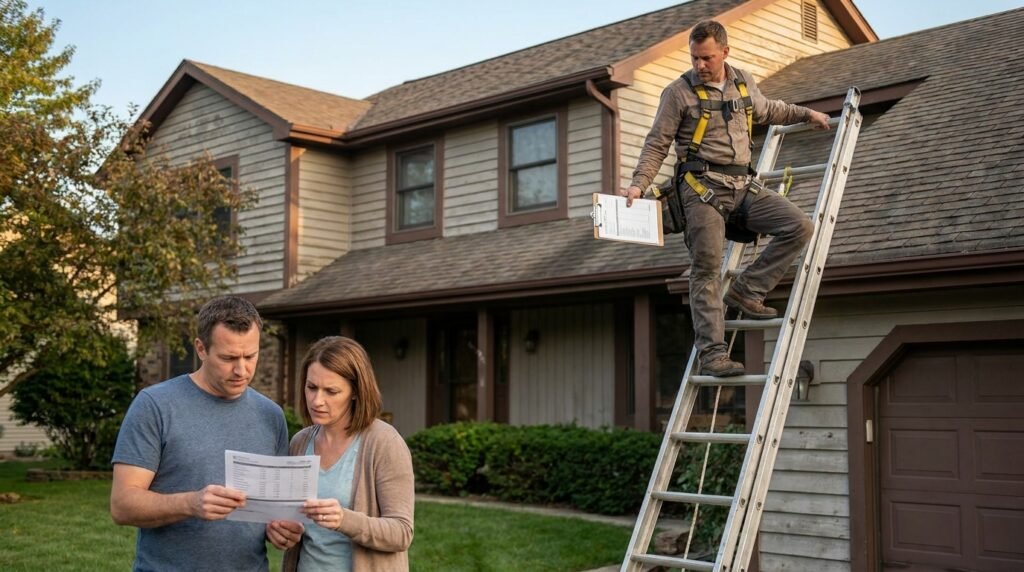
If you notice even one or two of these signs, it’s worth scheduling a professional roof inspection rather than waiting for confirmation from a leak. A qualified roofer can safely assess flashing, decking, and structural elements that aren’t visible or safe to check from ground level.
Catching a failing roof early is almost always cheaper than waiting. A $300 inspection today can prevent a $15,000 replacement down the line, along with the water damage, mold remediation, and disruption that come with it.
Final Thoughts
A roof doesn’t have to look damaged to be failing. The real warning signs are often quiet: a few extra granules in the gutter, a musty smell in the attic, an energy bill that keeps creeping up. Learning to recognize these seven signs your roof is failing gives you a genuine head start, letting you fix small problems while they’re still small.
If your roof has been due for a check-up, there’s no better time than now. A short inspection today could save you from a much bigger headache tomorrow.
Frequently Asked Questions
How long does a roof typically last before it starts failing?
Most asphalt shingle roofs last 20–25 years, though factors like climate, ventilation, and installation quality can shorten or extend that lifespan significantly.
Can a roof leak without any visible damage on the outside?
Yes. Leaks often start at flashing, valleys, or seams that aren’t visible from the ground, which is why attic inspections are so important for early detection.
Is it normal for a roof to lose some granules over time?
A small amount of granule loss is normal, especially in the first year after installation. Heavy or continuous shedding, however, usually signals aging shingles nearing failure.
Do I need a professional inspection if I don’t see any problems?
Yes. Many of the most serious issues, like weakened decking or hidden moisture, aren’t visible during a casual glance and require a trained eye to catch early.