Winter is hard on a roof. Heavy snow, freeze-thaw cycles, and ice dams can wear down even a well-built system. If you live where winters are long, choosing the best roofing materials for cold climates isn’t just a style decision. It protects your home and your wallet.
So which material handles snow best? Which one lasts longest? And what will it cost? This guide answers all three, with plain comparisons and real-world tips.
Why Cold Climates Are Tough on Roofs
Cold weather attacks a roof in several ways at once. Knowing them helps you pick the right material.
Snow Load and Weight
Fresh snow is light. Wet, packed snow is not. A foot of heavy snow can weigh several pounds per square foot, and that load adds up fast. Your roof structure and your roofing material both need to handle it.
Ice Dams and Freeze-Thaw Cycles
Ice dams form when heat escapes through the roof and melts snow. The meltwater runs down, refreezes at the cold eaves, and backs up under shingles. The result is leaks, stained ceilings, and rotted decking.
Freeze-thaw cycles make it worse. Water seeps into tiny cracks, freezes, expands, and widens them. Repeat that all winter and small flaws become big repairs.
Extreme Temperature Swings
In many northern states, temperatures can swing 50°F or more in a few days. Materials expand and contract with those swings. Brittle materials can crack. Flexible ones hold up better.
What to Look for in Cold-Climate Roofing Materials
Before comparing options, know your checklist. The best roofing materials for cold climates usually offer:
- Snow-shedding ability, so snow slides off instead of piling up
- Low water absorption, so freezing can’t crack the material
- Impact resistance, since ice and falling icicles hit hard
- Flexibility in the cold, so the material doesn’t turn brittle
- Strong wind and uplift ratings, since winter storms bring gusts
- Long lifespan for the price, because replacing a roof in winter is no fun
Best Roofing Materials for Cold Climates: Top Options Compared
Here are the strongest choices, from budget-friendly to premium.
1. Metal Roofing (Best Overall for Snow)
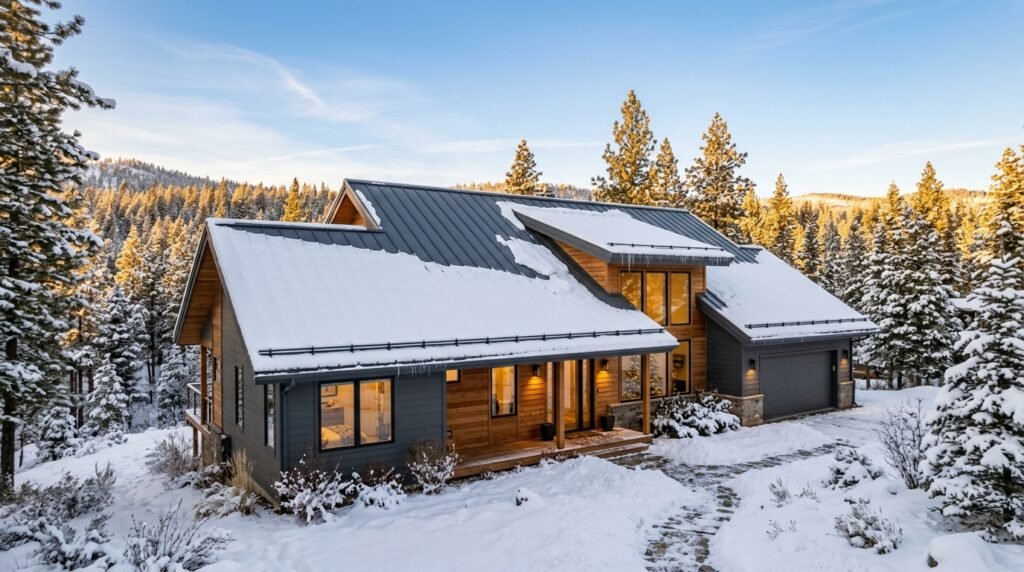
Metal is the favorite in snowy regions, and for good reason. Its smooth surface lets snow slide off in controlled sheets, which reduces load and ice buildup.
Pros:
- Excellent snow shedding
- Resists rot, mold, and freeze-thaw damage
- Lasts 40 to 70 years
- Lightweight, so it adds little stress to the structure
- Fire resistant
Cons:
- Higher upfront cost
- Sliding snow can be dangerous below, so you may need snow guards
- Can be noisy without good insulation
Typical cost: About $5 to $9 per square foot for exposed-fastener panels, and about $9 to $16 for standing seam.
Standing Seam vs. Exposed-Fastener Metal
Standing seam panels hide their fasteners and lock together with raised seams. That makes them more watertight, which matters under heavy snow. Exposed-fastener panels cost less but need screw and gasket maintenance over time. In very snowy regions, standing seam is usually worth the extra money.
Do You Need Snow Guards?
If your roof sits above a walkway, driveway, or entry, yes. Snow guards hold snow in place so it melts gradually instead of dropping all at once.
2. Asphalt Shingles (Best Budget Choice)
Asphalt is the most common roofing material in the US, and it can work in cold regions when you choose the right type.
Pros:
- Lowest upfront cost
- Easy to install and repair
- Wide range of styles
Cons:
- Shorter lifespan, around 15 to 30 years
- Can crack in extreme cold if low quality
- Less snow shedding than metal
Typical cost: About $4 to $8 per square foot installed.
Look for Impact-Resistant and Architectural Shingles
Skip basic three-tab shingles in snowy areas. Architectural (laminated) shingles are thicker and more durable. Impact-resistant shingles, often rated Class 4, handle ice and hail better. Both are a smart upgrade for a modest price bump.
3. Slate Roofing (Best for Longevity)
Slate is natural stone, and it barely absorbs water. That makes it almost immune to freeze-thaw damage.
Pros:
- Can last 75 to 150 years or more
- Fireproof and rot proof
- Timeless look
Cons:
- Very expensive
- Extremely heavy, so you may need structural reinforcement
- Needs skilled installers
Typical cost: About $15 to $30 or more per square foot.
If you plan to stay in your home for decades, slate can pay off over time. For most budgets, though, it’s a luxury.
4. Synthetic Slate and Composite Shingles
Want the look of slate without the weight or price? Composite shingles are made from polymers and recycled materials.
Pros:
- Lighter than real slate
- Good impact and cold resistance
- Lifespan of roughly 40 to 50 years
Cons:
- Costs more than asphalt
- Quality varies by brand, so check warranties and cold-weather ratings
Typical cost: About $8 to $15 per square foot.
5. Cedar Shakes
Cedar offers natural charm and decent insulation. It can handle cold, but it needs care.
Pros:
- Attractive, natural look
- Good natural insulation
Cons:
- Needs regular maintenance
- Can rot or grow moss in damp, snowy climates
- Fire risk in some regions
Typical cost: About $7 to $14 per square foot.
6. Rubber and Membrane Roofing (For Flat or Low-Slope Roofs)
Snow doesn’t slide off a flat roof, so low-slope roofs need a different approach. EPDM rubber and TPO membranes are common choices.
Pros:
- Flexible in freezing temperatures
- Seamless, watertight design
- Good for additions and garages
Cons:
- Snow stays put, so drainage and structure matter more
- Seams need proper installation
Typical cost: About $5 to $12 per square foot.
Materials to Avoid in Cold Climates
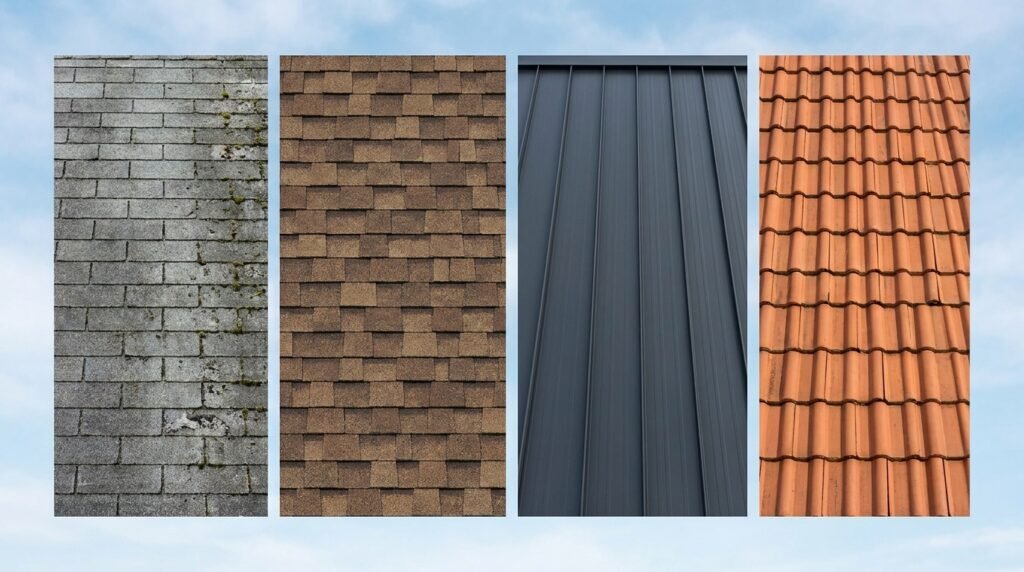
Clay and concrete tiles look great, but they absorb some moisture and can crack in repeated freeze-thaw cycles. They’re also heavy. Unless the product is specifically rated for severe cold, it’s usually not the best fit.
Roofing Material Comparison Table
| Material | Lifespan | Snow Shedding | Cost per Sq Ft | Best For |
|---|---|---|---|---|
| Standing seam metal | 40–70 yrs | Excellent | $9–$16 | Heavy snow regions |
| Metal panels | 30–50 yrs | Excellent | $5–$9 | Budget-conscious metal |
| Architectural asphalt | 15–30 yrs | Fair | $4–$8 | Tight budgets |
| Slate | 75–150+ yrs | Good | $15–$30+ | Long-term luxury |
| Synthetic slate | 40–50 yrs | Good | $8–$15 | Slate look, less weight |
| Cedar shake | 20–30 yrs | Fair | $7–$14 | Natural appearance |
| EPDM/TPO | 20–30 yrs | Poor (flat) | $5–$12 | Low-slope roofs |
Prices are estimates and change with labor costs and location.
How Much Does a Cold-Climate Roof Cost?
For an average 2,000-square-foot roof, expect roughly these totals:
- Asphalt: $8,000 to $16,000
- Metal: $10,000 to $32,000
- Synthetic slate: $16,000 to $30,000
- Natural slate: $30,000 to $60,000+
Upfront Cost vs. Lifetime Value
The cheapest roof isn’t always the cheapest roof over time. An asphalt roof lasting 20 years might need replacing twice during the life of one metal roof. When you spread the cost over the years, metal often wins in snowy regions.
Factors That Change Your Price
- Roof size, pitch, and complexity
- Tear-off of old layers
- Local labor rates
- Underlayment and ventilation upgrades
- Seasonal demand (fall can be busy, so book early)
Beyond the Material: Roof Details That Beat Ice and Snow
Even the best roofing materials for cold climates can fail without a solid system underneath.
Ice and Water Shield Underlayment
This sticky membrane goes along eaves, valleys, and around penetrations. It seals around nails and blocks water if an ice dam forms. In cold regions, it’s often worth installing across more of the roof than code requires.
Attic Insulation and Ventilation
Ice dams start with heat loss. A well-insulated, well-ventilated attic keeps your roof deck cold and evenly cool, so snow melts slowly or not at all. This is often the cheapest ice dam fix there is.
Roof Pitch and Design
Steeper roofs shed snow better. A pitch of 6:12 or higher works well in snowy areas. Simple roof shapes with fewer valleys also reduce trouble spots where snow collects.
Proper Flashing and Drainage
Flashing around chimneys, skylights, and vents is a common leak point. Quality metal flashing and clean gutters help meltwater leave your home safely.
How to Choose the Right Roof for Your Home
Not sure where to start? Ask yourself:
- How much snow do we get? Heavy, frequent snow favors metal.
- How long will we stay? Long-term owners benefit from durable materials.
- What’s our budget? Be honest, then compare lifetime cost, not just the quote.
- Can our structure handle the weight? Slate and tile may need reinforcement.
- What do local codes require? Check snow load ratings in your area.
Get at least three quotes from licensed, insured roofers with cold-climate experience. Ask about manufacturer warranties and workmanship guarantees.
Final Thoughts: Which Is the Best Roofing Material for Cold Climates?
There’s no single winner for every home, but here’s the short version. Metal roofing offers the best balance of snow shedding, durability, and value for most cold-weather homes. Architectural asphalt shingles are a solid budget pick if you choose impact-resistant options. Slate is unbeatable for lifespan if you can afford it. And synthetic slate gives you a middle path.
Whichever you choose, pair it with proper insulation, ventilation, and ice and water shield. A great material on a poor system will still leak. A good system with a smart material can handle winter for decades.
Ready to protect your home this winter? Start by getting a roof inspection and a few quotes so you can compare real numbers.
Frequently Asked Questions (FAQ)
What is the best roofing material for heavy snow?
Standing seam metal roofing is usually the best choice for heavy snow. Its smooth surface sheds snow easily, it resists freeze-thaw damage, and it can last four to seven decades.
Are asphalt shingles good for cold climates?
Yes, if you choose quality products. Architectural and impact-resistant asphalt shingles perform well in cold weather, though they typically last fewer years than metal or slate.
How can I prevent ice dams on my roof?
Improve attic insulation and ventilation to keep the roof deck cold, seal air leaks from living spaces, and install ice and water shield underlayment along the eaves.
Is metal roofing worth the cost in cold climates?
For most snowy regions, yes. Metal costs more upfront, but its long lifespan, snow-shedding design, and low maintenance often make it cheaper over time.