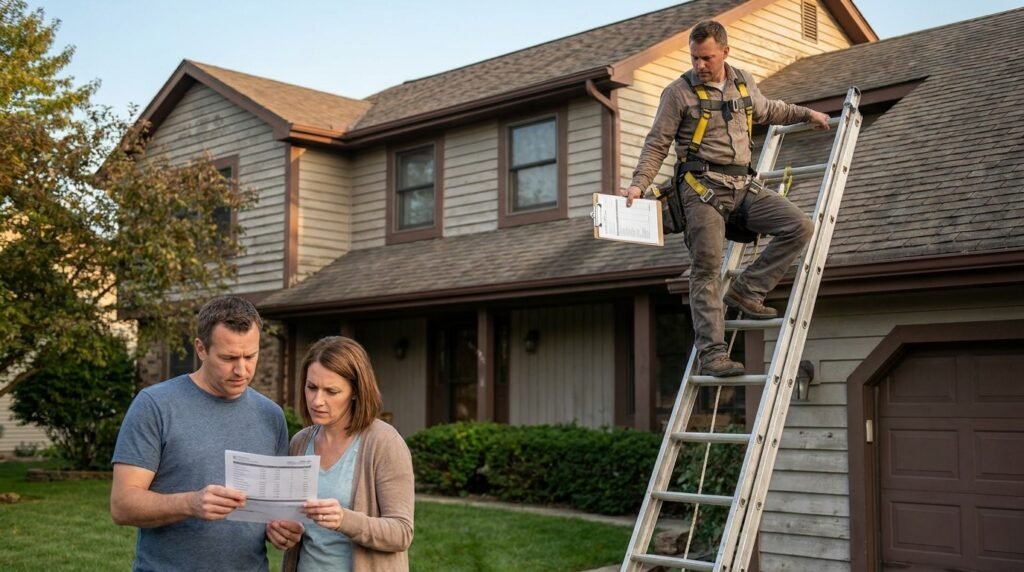
If you’ve ever stood in your driveway squinting up at your roof and wondering, “how long does a roof last, anyway?” — you’re not alone. It’s one of the most common questions homeowners ask, usually right after a big storm or right before buying a house.
The honest answer: it depends almost entirely on the material. A basic 3-tab asphalt shingle roof might only make it 15 to 20 years, while a natural slate roof can outlive the house it’s on, lasting well over a century.
In this guide, we’ll break down real roof lifespan data by material, explain what shortens or extends a roof’s life, and help you figure out where your own roof stands.
How Long Does a Roof Last on Average?
On average, a roof lasts 20 to 30 years, but that number swings wildly depending on what it’s made of. Asphalt shingles, the most common roofing material in the U.S., typically top out around 20 to 35 years. Premium materials like metal, tile, and slate can last 50, 70, even 150 years with proper installation and maintenance.
Think of it like buying a car. A budget economy car might run well for 10 years; a well-built truck might still be on the road at 25. Roofing works the same way — you generally get what you pay for in longevity.
Roof Lifespan by Material: The Real Data
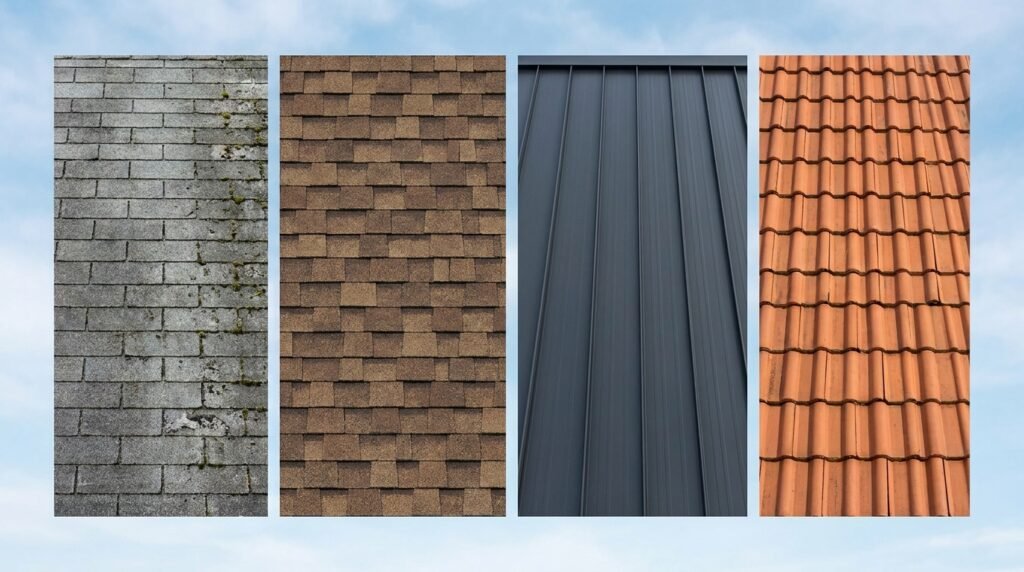
Here’s a side-by-side look at how long each major roofing material actually lasts, based on manufacturer warranties and industry data.
| Roofing Material | Average Lifespan |
|---|---|
| 3-Tab Asphalt Shingles | 15–20 years |
| Architectural (Dimensional) Shingles | 25–35 years |
| Premium/Luxury Asphalt Shingles | 30–50 years |
| Wood Shake/Cedar Shingles | 20–40 years |
| Metal Panels (Corrugated) | 30–50 years |
| Standing Seam Metal | 40–70 years |
| Concrete Tile | 40–100 years |
| Clay Tile | 50–150 years |
| Natural Slate | 75–150 years |
| TPO/EPDM (Flat Roofs) | 15–30 years |
Let’s dig into what drives these numbers for each material.
Asphalt Shingle Roof Lifespan
Asphalt shingles are the most popular roofing material in North America — and for good reason. They’re affordable, easy to install, and come in dozens of colors and styles.
- 3-tab shingles: 15 to 20 years. These are the thinnest, most budget-friendly option, and the first to show wear.
- Architectural shingles: 25 to 35 years. Thicker and more durable, these are now the standard choice for most new roofs.
- Premium/designer shingles: 30 to 50 years. Built with extra layers and stronger adhesives, these mimic the look of slate or wood at a fraction of the weight and cost.
Asphalt’s biggest enemy? Heat. Intense sun exposure dries out the asphalt over time, causing granules to shed and shingles to curl. If you live somewhere hot and sunny, expect the lower end of these ranges.
Metal Roof Lifespan
Metal roofing has surged in popularity, and it’s easy to see why: it’s durable, energy-efficient, and increasingly affordable.
- Corrugated metal panels: 30 to 50 years
- Standing seam metal: 40 to 70 years
- Premium metals (copper, zinc, stainless steel): 100+ years
Metal roofs resist fire, shrug off high winds, and shed snow easily. Their main vulnerability is coating wear over time — a quality paint or coating system protects against rust and extends the roof’s usable life significantly.
Tile Roof Lifespan (Clay & Concrete)
Tile roofs are a staple in warm-climate states like Florida, Texas, and California, partly because they hold up so well against heat and humidity.
- Concrete tile: 40 to 100 years
- Clay tile: 50 to 150 years
The tiles themselves rarely fail outright. Instead, the underlayment beneath them — the waterproof barrier — tends to wear out first, usually around the 20 to 30 year mark. That’s why many tile roofs get an underlayment replacement long before the tiles themselves need swapping out.
Slate Roof Lifespan
Slate is the heavyweight champion of roofing longevity. Natural slate roofs routinely last 75 to 150 years, and some historic homes still wear their original slate from the 1800s.
Why does slate last so long? It’s literal stone — dense, non-porous, and essentially immune to UV damage, rot, and fire. The most common point of failure isn’t the slate itself, but the metal fasteners holding it in place, which can corrode after 60 to 80 years.
The trade-off: slate is heavy, expensive, and requires specialized installers. It’s an investment, but often a once-in-a-lifetime one.
Wood Shake Roof Lifespan
Wood shake and cedar shingle roofs typically last 20 to 40 years. They offer a rustic, natural aesthetic that many homeowners love, but they require more upkeep than other materials — regular treatment against moisture, moss, and insects is essential to hitting the higher end of that range.
Flat Roof Lifespan (TPO, EPDM, Built-Up)
Flat and low-slope roofs, common on additions, garages, and commercial buildings, generally last 15 to 30 years depending on the membrane type:
- EPDM (rubber membrane): 20 to 30 years
- TPO: 15 to 25 years
- Built-up (tar and gravel): 15 to 30 years
Because flat roofs don’t shed water as efficiently as sloped roofs, ponding water and seam failures are the biggest culprits behind early replacement.
What Factors Affect How Long a Roof Lasts?
Material sets the ceiling, but several other factors determine whether your roof reaches its full potential lifespan — or falls short of it.
Climate and Weather Exposure
Intense sun, heavy snow loads, hail, and hurricane-force winds all take a toll. A roof in Arizona ages differently than the same roof in Minnesota. Homes in storm-prone regions often see shorter roof lifespans regardless of material quality.
Installation Quality
A roof is only as good as the person who installed it. Poor flashing, improperly nailed shingles, or skipped underlayment can shave years off even the best materials. This is why choosing an experienced, licensed roofing contractor matters as much as choosing the material itself.
Attic Ventilation
Ever wonder why two identical roofs on similar homes can age so differently? Ventilation is often the hidden culprit. Poor attic airflow traps heat and moisture, baking shingles from underneath and accelerating wear.
Roof Slope and Design
Steeper roofs shed water and debris faster, reducing moisture-related damage. Flatter roofs are more prone to pooling water, which speeds up deterioration.
Maintenance and Inspections
Routine maintenance — clearing debris, checking flashing, fixing minor leaks quickly — can add years to any roof. Neglect, on the other hand, turns small problems into major (and expensive) ones.
Signs Your Roof Is Nearing the End of Its Lifespan
How do you know when it’s time to start budgeting for a replacement, rather than another repair? Watch for:
- Shingles that are curling, cracking, or missing granules
- Daylight visible through the roof boards in the attic
- Sagging areas or soft spots underfoot
- Frequent leaks after rain
- Moss or algae growth covering large areas
- A roof age at or beyond its material’s typical lifespan
If your roof is showing several of these signs at once, it’s worth getting a professional inspection sooner rather than later.
How to Extend Your Roof’s Lifespan
You can’t change the material after the fact, but you can absolutely stretch its life with the right habits:
- Schedule annual inspections, ideally in spring and fall.
- Clean gutters regularly to prevent water backup under shingles.
- Trim overhanging branches to reduce debris and moss growth.
- Fix minor leaks immediately before they spread to the decking.
- Improve attic ventilation to reduce heat and moisture buildup.
- Remove moss and algae promptly with gentle, roof-safe treatments.
Small, consistent maintenance is almost always cheaper than emergency repairs — or an early replacement.
Final Thoughts
So, how long does a roof last? The real answer is: as long as its material allows, and often less if installation, climate, or maintenance work against it. Asphalt shingles remain the practical, budget-friendly choice for most homeowners, typically lasting 20 to 35 years. If you’re building for the long haul, metal, tile, and slate offer decades — sometimes a full century — of extra protection.
Whatever material sits over your head right now, knowing its expected lifespan is the first step to planning ahead, avoiding surprise leaks, and budgeting wisely for your next roof.
Frequently Asked Questions
How long does a roof last on average?
Most residential roofs last between 20 and 30 years on average, though the exact number depends heavily on the roofing material, climate, and maintenance history.
What roofing material lasts the longest?
Natural slate lasts the longest of any common roofing material, often reaching 75 to 150 years. Clay tile and premium metal roofing are close behind, both capable of lasting 100 years or more.
How do I know if my roof needs to be replaced?
Look for curling or missing shingles, visible light in the attic, sagging spots, frequent leaks, and heavy moss growth. If your roof is at or past its material’s typical lifespan and showing these signs, it’s time for a professional inspection.
Does regular maintenance really extend a roof’s lifespan?
Yes. Annual inspections, gutter cleaning, prompt leak repairs, and good attic ventilation can add several years to almost any roof, regardless of material.