Your roof takes the worst of the summer sun. Day after day, it soaks up heat and pushes it into your home. That means higher cooling bills, a harder-working AC, and a roof that ages faster than it should.
Choosing the best roofing materials for hot climates can change all of that. The right roof reflects sunlight, sheds heat, and lasts for decades. The wrong one turns your attic into an oven.
This guide covers the top options, what they cost, and how to pick the right one for your home. Let’s start with why heat is such a problem.
Why Your Roof Matters More in a Hot Climate
In hot regions, your roof is your home’s first line of defense. Heat that enters through the roof warms your attic. From there, it moves into your living space.
Intense sun also causes direct damage. UV rays break down roofing surfaces. Daily temperature swings make materials expand and contract. Over time, that leads to cracks, curling, and leaks.
So the goal isn’t just a roof that looks good. You want one that reflects heat, resists UV damage, and handles temperature swings.
What Makes a Roof Good for Hot Weather?
Before comparing materials, it helps to know what to look for. Four factors matter most.
Solar Reflectance and Thermal Emittance
Solar reflectance measures how much sunlight a roof bounces back. Thermal emittance measures how well it releases the heat it does absorb. Together, these two ratings define a “cool roof.”
Look for products rated by the Cool Roof Rating Council (CRRC) or labeled ENERGY STAR. These ratings give you real numbers instead of marketing claims.
Thermal Mass and Heat Transfer
Some materials, like clay tile, absorb heat slowly and release it slowly. Others, like metal, reflect heat but can feel hot to the touch. Both approaches can work, depending on how the roof is built.
Durability Under UV and Heat
Not every material handles years of harsh sun. Some dry out, fade, or crack. Check the manufacturer’s warranty, since it often reveals how a product performs in heat.
Weight, Wind, and Fire Resistance
Many hot regions also face wildfires, hurricanes, or strong winds. A good roof for hot weather should also meet your area’s fire and wind ratings.
The Best Roofing Materials for Hot Climates
Here are the top contenders, ranked by overall value for heat performance.
1. Metal Roofing
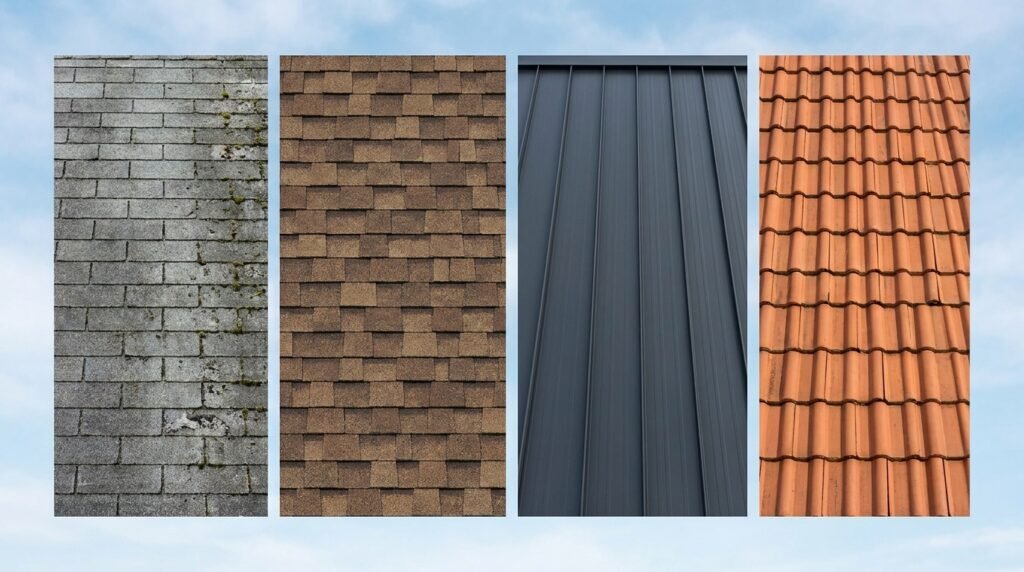
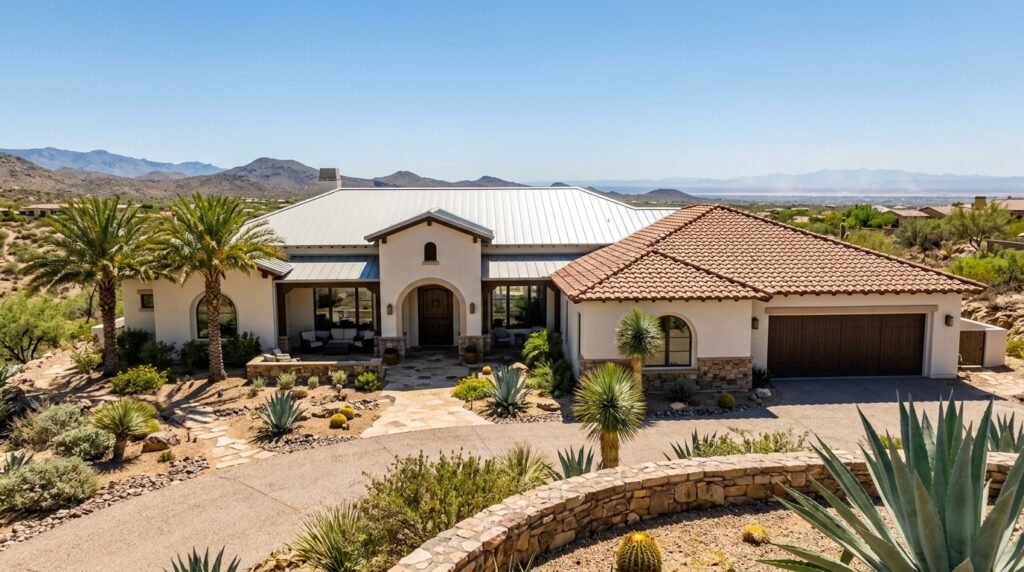
Metal is one of the best roofing materials for hot climates, and it’s easy to see why. Aluminum, steel, and copper reflect a large share of the sun’s rays. When paired with a reflective coating, metal can run much cooler than standard shingles.
Pros:
- High solar reflectance, especially with cool-roof coatings
- Lasts 40 to 70 years
- Fire resistant and lightweight
- Sheds heat quickly after sundown
Cons:
- Higher upfront cost
- Can be noisy in heavy rain without proper insulation
- Cheap panels may dent in hail
Typical installed cost: about $9 to $16 per square foot, depending on the metal and style.
Standing seam panels perform best. They have fewer exposed fasteners, which means fewer weak points.
2. Clay Tile Roofing
Clay tile has protected homes in the Mediterranean and American Southwest for centuries. It’s built for heat.
The curved shape creates tiny air gaps between the tile and the roof deck. That air flow acts like built-in insulation. Clay also resists fading, since the color is fired into the material.
Pros:
- Excellent heat performance
- Lifespan of 50 to 100 years
- Fire resistant and pest resistant
- Classic, high-end look
Cons:
- Heavy, so your structure may need reinforcement
- Expensive to buy and install
- Can crack if walked on
Typical installed cost: about $10 to $20 per square foot.
3. Concrete Tile Roofing
Concrete tile offers a similar look to clay at a lower price. It also provides good thermal mass, which slows heat transfer into your attic.
Pros:
- Strong and long-lasting (40 to 50 years)
- More affordable than clay
- Available in many colors and profiles
- Good fire and wind resistance
Cons:
- Very heavy
- Darker colors absorb more heat
- Surface can wear and fade over time
Typical installed cost: about $8 to $15 per square foot.
Choose lighter shades or reflective coatings to boost cooling performance.
4. Slate Roofing
Slate is natural stone, and it handles heat well. It’s dense, durable, and highly resistant to UV damage.
Pros:
- Can last 75 to 150 years
- Fireproof and weatherproof
- Timeless appearance
Cons:
- Among the most expensive options
- Extremely heavy
- Needs skilled installers
Typical installed cost: about $15 to $30 per square foot.
Slate suits homeowners who want a “forever roof” and have the budget for it.
5. Cool Asphalt Shingles
Not everyone can afford metal or tile. That’s where cool asphalt shingles come in. These shingles use special reflective granules that bounce back more sunlight than standard shingles.
Pros:
- Budget-friendly
- Easy to install and repair
- Widely available
Cons:
- Shorter lifespan, often 15 to 25 years, and less in extreme heat
- Can soften and degrade in intense sun
- Lower overall cooling performance than metal or tile
Typical installed cost: about $4 to $8 per square foot.
Choose light-colored, ENERGY STAR-rated shingles if you go this route.
6. Flat Roof Options: TPO and Reflective Coatings
Flat and low-slope roofs need different materials. Thermoplastic polyolefin (TPO) membranes are a popular pick. They come in white and reflective finishes that cut heat gain.
Pros:
- Strong reflectivity
- Lifespan of 20 to 30 years
- Lightweight
Cons:
- Seams need careful installation
- Quality varies by brand
Typical installed cost: about $5 to $9 per square foot.
Elastomeric coatings can also extend the life of an existing flat roof while adding reflectivity.
Roofing Materials Comparison Table
| Material | Heat Performance | Lifespan | Approx. Cost/Sq Ft |
|---|---|---|---|
| Metal | Excellent | 40–70 yrs | $9–$16 |
| Clay Tile | Excellent | 50–100 yrs | $10–$20 |
| Concrete Tile | Very Good | 40–50 yrs | $8–$15 |
| Slate | Very Good | 75–150 yrs | $15–$30 |
| Cool Asphalt | Fair to Good | 15–25 yrs | $4–$8 |
| TPO (flat) | Very Good | 20–30 yrs | $5–$9 |
Prices vary by region, roof size, and contractor. Get several quotes before you decide.
Does Roof Color Matter?
Yes, and often more than people expect. Lighter colors reflect more sunlight. White, cream, and light gray roofs stay cooler than dark brown or black ones.
But modern “cool pigments” change the picture. Some darker shades now include reflective compounds that reflect much more heat than traditional dark colors. If you love a darker look, ask for cool-pigmented options.
The U.S. Department of Energy notes that cool roofs can run significantly cooler than conventional roofs under the same sun. That drop in surface temperature often means less strain on your AC.
How to Choose the Right Roof for Your Home
The best roofing materials for hot climates aren’t the same for every house. Ask yourself these questions.
What’s Your Budget?
Think beyond the upfront price. A cheaper roof that needs replacing in 15 years may cost more than a durable roof that lasts 50.
What Does Your Structure Support?
Tile and slate are heavy. Have a structural engineer or roofer confirm that your home can carry the load.
What Are Your Local Rules?
Some cities and states require cool-roof materials. California’s Title 24 is a well-known example. Check local codes and any HOA rules before you buy.
Are There Incentives?
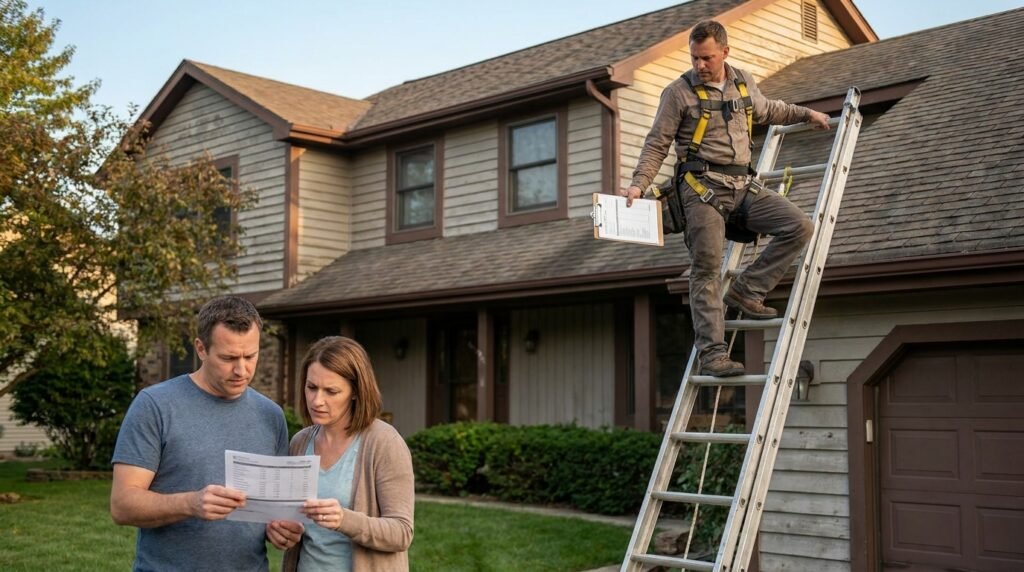
Rebates and tax credits for energy-efficient roofing come and go. Check current federal, state, and utility programs before you sign a contract.
Boosting Your Roof’s Cooling Power
The material is only part of the equation. A few add-ons can improve results.
Proper Attic Ventilation
Good airflow lets hot air escape. Ridge vents and soffit vents work together to keep your attic cooler.
Radiant Barriers and Insulation
A radiant barrier reflects heat before it reaches your attic floor. Pair it with quality insulation for better results.
Reflective Roof Coatings
If you’re not ready to replace your roof, a reflective coating can add some heat protection to an existing one.
Regular Maintenance
Inspect your roof once or twice a year. Clean debris, check seals, and fix small problems early. In hot climates, small cracks grow fast.
Common Mistakes to Avoid
- Picking by looks alone. Style matters, but performance matters more.
- Ignoring ventilation. Even the best roof struggles with a poorly vented attic.
- Skipping rating labels. Always check CRRC or ENERGY STAR ratings.
- Hiring the cheapest bidder. Poor installation can ruin a great material.
Final Thoughts: Which Roof Should You Choose?
If you want the strongest all-around choice, metal roofing is hard to beat. It reflects heat, lasts for decades, and holds up well in harsh conditions. Clay and concrete tile are fantastic if your home can support the weight and your budget allows. Slate is the premium, once-in-a-lifetime pick. On a tighter budget, cool asphalt shingles still offer a smart step up from standard shingles.
Whatever you choose, pair it with good ventilation and a qualified installer. The best roofing materials for hot climates only deliver when they’re installed right.
Ready to move forward? Request quotes from at least three licensed roofers in your area, and ask each one about cool-roof options.
Frequently Asked Questions
What is the best roofing material for a hot climate?
Metal roofing is widely considered the best overall choice. It reflects sunlight, lasts 40 to 70 years, and works well with cool-roof coatings. Clay tile is another top performer if your home can handle the weight.
What color roof is best for hot weather?
Light colors like white, cream, and light gray reflect the most sunlight and keep roofs cooler. Darker shades with modern cool pigments can also perform well.
Do cool roofs really lower energy bills?
Yes, in most hot regions. By reflecting more sunlight, cool roofs reduce heat entering your home, which can lower air conditioning use. Actual savings depend on your climate, insulation, and home design.
Are asphalt shingles bad for hot climates?
Standard dark asphalt shingles absorb a lot of heat and tend to age faster in extreme sun. Cool, ENERGY STAR-rated asphalt shingles perform better, though they usually last fewer years than metal or tile.